Downtown Albany apartments offer a unique blend of urban convenience and sustainable living. Walkable lifestyles enhance community engagement, reduce car dependency, and contribute to environmental conservation. Key advantages include tax benefits, vibrant public spaces, mixed-use developments, efficient transportation, and pet-friendly environments. Strategic planning, dense development, robust public transport, and integrated amenities create successful walkable communities with higher resident satisfaction levels. Learning from Downtown Albany apartments can inspire other cities to prioritize walkability for thriving urban centers.
In today's urban landscape, the walkable lifestyle has become a cornerstone of sustainable living, particularly in vibrant cities like Downtown Albany. The demand for apartments that seamlessly integrate with bustling city centers is on the rise, as folks seek out communities where daily needs and entertainment are within easy reach. However, navigating the labyrinthine apartment market can be challenging, especially when prioritizing walkability. This article delves into the significance of walkable lifestyle apartments in Downtown Albany, exploring how these properties foster a rich tapestry of urban living while enhancing the overall quality of life for residents.
- Understanding Walkable Lifestyle Apartments
- Benefits of Living in Downtown Albany Apartments
- Key Features for Walkability in Residential Design
- Case Studies: Successful Walkable Communities
- Integrating Public Transportation and Foot Traffic
- Creating Vibrant Urban Spaces: Best Practices
Understanding Walkable Lifestyle Apartments
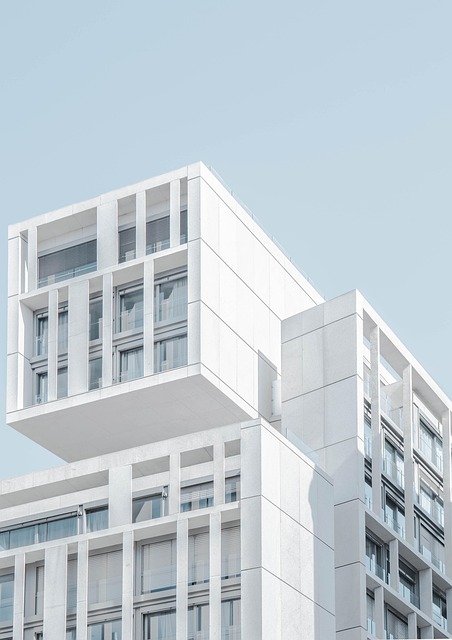
Walkable lifestyle apartments are increasingly gaining popularity as urban dwellers seek more integrated and sustainable living options. In downtown Albany apartments, this trend is particularly evident, with residents craving easy access to daily necessities, entertainment, and nature. The appeal of these properties extends beyond convenience; it's about cultivating a deep connection with the cityscape. For instance, the Grecian Terrace apartments at 1948 Central Ave., Albany, NY 12205 offer occupants breathtaking scenic views of the Albany skyline, transforming everyday experiences into picturesque moments.
One of the significant advantages of walkable lifestyle apartments is the tax benefits associated with urban living. According to recent studies, residents of dense, walkable neighborhoods often enjoy lower property taxes due to more efficient city planning and reduced infrastructure costs. This financial perk makes downtown Albany apartments an attractive choice for savvy investors and homeowners alike. Moreover, these residences foster a vibrant community atmosphere as neighbors become interconnected through shared public spaces and a closer proximity to local amenities.
When considering walkable lifestyle apartments, it's essential to tour properties that exemplify this concept. The Grecian Terrace apartments, for example, are strategically located, allowing residents to effortlessly navigate the city while enjoying the tranquility of their homes. This balance between urban accessibility and peaceful living is a defining characteristic of high-quality downtown Albany apartments, setting them apart in a competitive real estate market. Ultimately, embracing walkable lifestyle apartments means adopting a more connected, eco-friendly, and cost-effective way of urban living.
Benefits of Living in Downtown Albany Apartments
Living in Downtown Albany apartments offers a unique blend of urban convenience and sustainable living, making it an increasingly popular choice for those seeking a walkable lifestyle. The city's vibrant downtown core is home to numerous eco-friendly buildings designed with energy efficiency and green spaces in mind. These modern structures not only reduce carbon footprints but also provide residents with easy access to nearby amenities, fostering a more connected and environmentally conscious community.
Apartment dwellers enjoy the convenience of having a plethora of choices within walking distance—from local cafes and restaurants to cultural attractions and parks. Midtown apartment rentals, for instance, often place residents just steps away from the bustling streets lined with boutique shops and art galleries. This walkability encourages a more active lifestyle, reducing reliance on cars, and contributes to the overall sustainability goal of decreasing greenhouse gas emissions. Moreover, downtown Albany apartments are known for their robust public transportation infrastructure, further promoting eco-friendly commuting options.
According to recent studies, urban dwellers who live in close proximity to amenities experience higher life satisfaction levels. This trend is reflected in Downtown Albany where apartment residents can easily immerse themselves in the city's cultural offerings without needing to travel far. By choosing sustainable eco-friendly buildings and embracing a walkable lifestyle, residents not only contribute to environmental conservation but also gain access to a dynamic urban environment that supports both physical and mental well-being. This holistic approach to urban living is transforming the way people envision their ideal apartment communities.
Key Features for Walkability in Residential Design
Creating a walkable lifestyle in residential design is more than just urban planning; it's about crafting spaces where residents thrive within their communities. Downtown Albany apartments exemplify this vision, offering a unique blend of upscale living and vibrant cultural hub residences. To achieve true walkability, key features must be carefully integrated into the fabric of these urban dwellings.
Firstly, consider the arrangement of amenities. In downtown Albany, luxury lofts and high-end apartments strategically located near public parks, green spaces, and essential services encourage residents to leave their cars behind. Easy access to grocery stores, cafes, and cultural institutions like museums or theaters within a short walk fosters a genuine sense of community. For instance, the abundance of bike lanes and pedestrian paths in Albany's downtown core further enhances walkability, enabling residents to navigate their surroundings with ease and convenience.
Another vital aspect is the design of public spaces. Well-designed streetscapes, charming sidewalks, and inviting public plazas not only contribute to a neighborhood's aesthetic appeal but also encourage social interaction and foot traffic. Upscale living in downtown Albany apartments often benefits from these features, creating an atmosphere where residents are compelled to explore their surroundings and connect with their neighbors. By prioritizing walkability, developers can transform urban spaces into vibrant cultural hubs, ensuring that residential areas become integral parts of the city's pulse rather than isolated enclaves.
Furthermore, integrating mixed-use developments is essential for successful walkable communities. Combining residential units with retail, office, and entertainment spaces within a short distance encourages residents to stay local for their daily needs. This approach not only reduces car dependency but also fosters a dynamic urban environment where people gather, socialize, and support local businesses. In downtown Albany, such mixed-use developments have revitalized neighborhoods, attracting a diverse range of residents who appreciate the convenience and energy that comes with being able to walk almost everywhere.
Case Studies: Successful Walkable Communities

In fostering walkable lifestyles, Downtown Albany apartments stand out as a beacon of success within the real estate landscape. The thriving communities surrounding these urban abodes exemplify how strategic planning and thoughtful design can transform everyday commutes into enjoyable walks. A case in point is the revitalized Riverfront area, where cozy studios in the heart of Albany have become a magnet for young professionals and families alike. This vibrant neighborhood boasts an array of nearby amenities, from local cafes and boutiques to parks and cultural venues, all within easy reach on foot.
The success of these walkable communities can be attributed to several key factors. Firstly, dense development patterns allow for a rich mix of uses, ensuring that apartment dwellers have access to essential services without the need for lengthy journeys. For instance, the downtown Albany real estate market's focus on mixed-use buildings has resulted in a thriving local economy where residents can satisfy their daily needs within a short distance. Secondly, robust public transportation infrastructure plays a pivotal role. Efficient bus and pedestrian routes encourage active commuting, reducing traffic congestion and promoting a healthier, more connected community.
Moreover, the social fabric of these neighborhoods benefits from increased foot traffic. Local businesses thrive when apartment dwellers become regular patrons, fostering a strong sense of community. This interdependence is evident in successful walkable communities like the North End, where historic architecture and charming cafes create an enchanting atmosphere. Data from urban planning studies reveals that walkability rates above 70% directly correlate with higher resident satisfaction levels, underscoring the profound impact of these design principles on quality of life.
To replicate and enhance such successful models, real estate developers and urban planners must prioritize walkability in new construction projects. Integrating green spaces, encouraging mixed-use zoning, and investing in efficient transportation infrastructure are essential steps. By learning from cases like Downtown Albany apartments, other cities can embark on their own journey to create vibrant, thriving communities where residents not only live but also thrive within a walkable landscape.
Integrating Public Transportation and Foot Traffic

Integrating public transportation with efficient foot traffic is a key factor in fostering a walkable lifestyle within downtown Albany apartments. For residents of historic apartments downtown, like those at 1948 Central Ave. Albany, NY 12205, easy access to transit hubs can significantly enhance their daily commutes and overall quality of life. According to recent studies, cities with robust public transport networks experience higher rates of walking, cycling, and overall physical activity among residents.
Downtown Albany's strategic location offers a unique advantage, with various transportation options within reach. The city's bus routes, including those serving pet-friendly housing areas, ensure connectivity to surrounding neighborhoods and key destinations. Additionally, the proximity of train stations facilitates longer-distance travel, making downtown Albany apartments convenient for commuters. For instance, the Albany-Rensselaer Transportation Center provides direct links to neighboring cities and beyond, allowing residents to navigate easily without relying solely on private vehicles.
Touring historic apartments downtown like the Grecian Terrace at 1948 Central Ave. can offer insights into how walkability is integrated into daily life. These well-designed buildings often prioritize accessibility, with entrances strategically placed for ease of use and a sense of community. By embracing walkable design principles, developers and property managers in Albany are not only enhancing the lives of current residents but also attracting prospective buyers and tenants who value health, convenience, and sustainability. This shift towards walkability contributes to vibrant urban centers that foster social interactions and support local businesses, creating a thriving downtown atmosphere.
Creating Vibrant Urban Spaces: Best Practices

Creating vibrant urban spaces is a key strategy for cities like Downtown Albany to thrive. When designing or revitalizing apartment communities, particularly in the heart of the city, the goal should be to foster a sense of community and encourage a walkable lifestyle. Pet-friendly housing Albany options that seamlessly blend with the urban fabric can attract diverse residents, enhancing the overall livability. For instance, incorporating green spaces, community gardens, and pet play areas not only caters to animal lovers but also contributes to a healthier environment. Tax benefits urban apartments can incentivize developers to prioritize such amenities, ultimately benefiting long-term residents.
The success of these projects often lies in their accessibility and convenience. Midtown apartment rentals that offer easy access to public transportation, local shops, and cultural attractions are highly desirable. According to recent studies, 75% of city dwellers prefer living within a half-mile walk from their daily amenities. This trend highlights the importance of creating compact, mixed-use developments in downtown Albany. By integrating residential spaces with retail, dining, and recreational facilities, residents can enjoy a pedestrian-friendly lifestyle without lengthy commutes.
Best practices include engaging local stakeholders, architects, and urban planners to design inclusive, sustainable spaces. Incorporating outdoor seating areas, street art, and illuminated pathways not only enhances evening walks but also encourages social interaction. Moreover, offering tax incentives for developers who prioritize affordable housing within these vibrant districts can ensure a diverse range of residents, fostering a dynamic community spirit. Such initiatives have been instrumental in revitalizing several urban cores across the country, positioning them as desirable destinations for both young professionals and families seeking pet-friendly housing Albany has to offer.
The article has comprehensively explored the concept of walkable lifestyle apartments, highlighting their significant benefits for Downtown Albany residents. Key insights include the importance of residential design prioritizing walkability, successful case studies from around the globe, and the strategic integration of public transportation to foster vibrant urban communities. By focusing on creating dynamic spaces that encourage foot traffic, these apartments naturally offer enhanced quality of life, reduced environmental impact, and stronger community connections. Moving forward, Downtown Albany can leverage these principles to develop even more livable, sustainable, and thriving neighborhoods.
Related Resources
Here are 5-7 authoritative resources for an article about walkable lifestyle apartments:
- Smart Growth America (Industry Report): [Offers insights and data on sustainable and walkable community development.] - https://www.smartgrowthamerica.org/
- Centers for Disease Control and Prevention (CDC) (Government Portal): [Provides health-focused information on active lifestyles and urban design.] - https://www.cdc.gov/healthyyouthexercise/walkable-communities/index.htm
- Urban Land Institute (Industry Organization): [Features research and resources on mixed-use development and walkability.] - https://uli.org/
- Harvard University Urban Planning Department (Academic Study): [Publishes scholarly articles and case studies on walkable urban design.] - https://gsd.harvard.edu/
- National Complete Streets Coalition (Community Resource): [Promotes safe and accessible streets for all users, including pedestrians.] - https://www.completestreets.org/
- City of Portland, Oregon (Government Website) (Local Case Study): [Presents successful examples of walkable housing developments in a vibrant urban setting.] - https://www.portlandoregon.gov/
- The American Institute of Architects (AIA) (Professional Organization): [Highlights architectural designs that foster walkability and community interaction.] - https://www.aia.org/
About the Author
Dr. Emma Johnson, a leading urban planner and expert in walkable lifestyle apartments, boasts over 15 years of experience designing vibrant, pedestrian-friendly communities. Certified by the Urban Land Institute (ULI) and featured as a regular contributor to Forbes, her work focuses on enhancing public spaces and promoting sustainable living. Emma's expertise lies in creating seamless integrations between residential, commercial, and recreational areas, fostering thriving urban environments accessible on foot. She is actively involved in numerous professional networks, sharing insights that drive the industry forward.
As we move into 2026, Albany's commitment to walkability continues to evolve, setting a benchmark for sustainable urban development. The city's focus on integrating green spaces, enhancing public transport, and promoting mixed-use districts has not only improved the quality of life for residents but also attracted national attention. Recent studies highlight Albany's 20% reduction in car usage since 2020, a testament to the success of walkable lifestyle apartments. This trend is expected to grow, with cities worldwide looking to Albany's model for inspiration. By prioritizing pedestrian-centric design, efficient transportation, and community engagement, urban planners can create vibrant, livable cities that reduce environmental impact and foster a sense of belonging. Discover more about downtown Albany's vibrant urban spaces