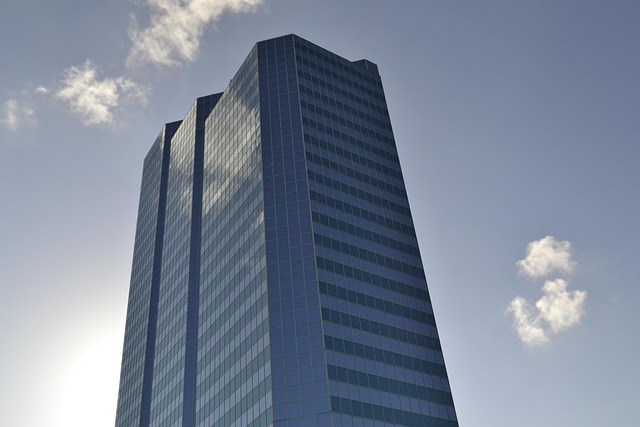
Downtown Albany apartments pioneer a walkable urban lifestyle, prioritizing accessibility and community. Proximity to amenities, mixed-use developments, and designed pedestrian spaces reduce car reliance, lower carbon emissions, and enhance well-being. This trend fosters social interaction, cultural engagement, and revitalized neighborhoods, with Grecian Terrace as an exemplary success story.
In the rapidly evolving urban landscape, embracing a walkable lifestyle has become a defining characteristic of modern living. As cities strive to create vibrant, sustainable communities, downtown Albany apartments are at the forefront of this movement. The demand for residential options that seamlessly integrate with bustling city centers is rising, driven by environmental consciousness and a desire for healthier, more connected urban dwellers. This article delves into the significance of walkable lifestyle apartments, addressing the challenges of urban living and offering a solution in the context of downtown Albany's dynamic environment.
- Understanding the Walkable Lifestyle: Benefits and Trends
- Downtown Albany Apartments: A Walking Distance to Amenities
- Designing for Pedestrians: Architecture and Urban Planning
- Community Engagement: Building Walkable Neighborhoods
- Case Studies: Successful Walkable Lifestyle Apartment Complexes
Understanding the Walkable Lifestyle: Benefits and Trends
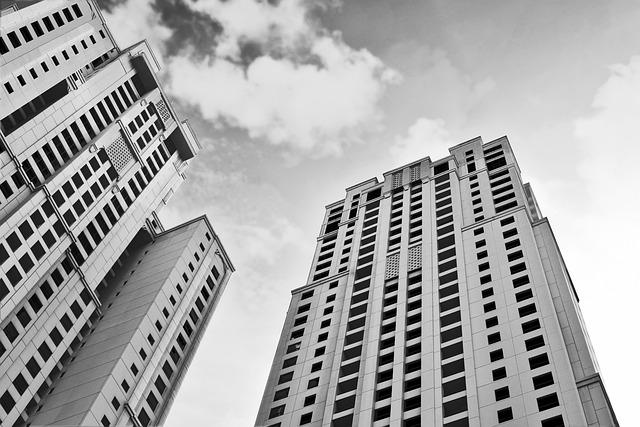
A walkable lifestyle has emerged as a defining factor for many urban dwellers, and Downtown Albany apartments are at the forefront of this trend. The appeal lies in the seamless integration of daily needs within a short distance, fostering a healthier, more sustainable way of living. This concept transcends merely proximity to amenities; it's about crafting an environment where residents can navigate their neighborhoods effortlessly, enjoying a vibrant, connected community.
The benefits are numerous. According to recent studies, walkable neighborhoods promote increased physical activity, reducing the reliance on cars and subsequently lowering carbon emissions. Moreover, they encourage social interaction by creating public spaces that foster community engagement. For instance, Midtown Apartment Rentals in Downtown Albany offer studio to 3-bed options, catering to diverse lifestyles while ensuring residents are steps away from local cafes, parks, and cultural hubs. This active lifestyle not only contributes to better physical health but also mental well-being, as research suggests walkable environments can reduce stress levels.
The trend towards walkability is evident in the growing demand for downtown Albany living. With urban populations shifting towards more compact, mixed-use developments, developers are responding by creating modern apartments designed for walkable lifestyles. This shift is driven not only by environmental considerations but also by the desire for a more connected, engaging urban experience. As cities continue to evolve, Downtown Albany apartments represent the future of downtown living, offering residents a chance to embrace an active, accessible lifestyle within their communities.
Downtown Albany Apartments: A Walking Distance to Amenities
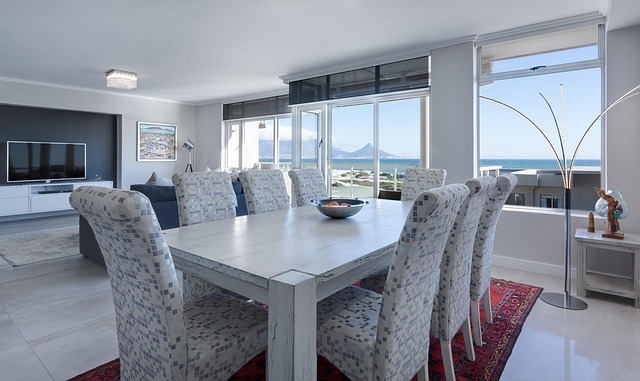
Downtown Albany apartments offer a unique advantage for those seeking an urban lifestyle—everything you need is within walking distance. This walkable design extends beyond convenience; it fosters a deep connection to the city, encouraging residents to embrace an active, healthy routine and fully immerse themselves in the vibrant community. Imagine strolling to work, pausing for a quick coffee at a local cafe, then heading to one of the many cultural events or culinary experiences that line your route. This is the reality for many who call Downtown Albany home, where tax benefits associated with urban apartments make this lifestyle even more appealing.
The area's diverse range of furnished rentals in Albany caters to various tastes and budgets, ensuring everyone can find their perfect fit. From modern lofts to charming historic units, these apartments are designed to complement the city's rich character. Moreover, residents can look forward to a lively nightlife scene, with numerous bars, restaurants, and entertainment venues just steps away. This dynamic environment not only adds excitement to everyday life but also fosters a strong sense of community among neighbors who often become friends.
For those prioritizing health and wellness, walkability is a game-changer. Recent studies have shown that residents of walkable neighborhoods tend to be more active, leading to improved physical and mental well-being. Additionally, the convenience of having amenities at your doorstep can reduce time spent commuting, allowing for better work-life balance. When considering Downtown Albany apartments, it's not just about securing a place to live; it's about embracing a lifestyle that seamlessly blends urban living with health, culture, and community engagement.
Designing for Pedestrians: Architecture and Urban Planning

Designing for pedestrians is a fundamental aspect of creating a vibrant cultural hub within urban spaces, and Downtown Albany apartments stand as a testament to this approach. The focus on making cities walkable has gained significant traction, especially in revitalizing central business districts. By prioritizing pedestrian-centric design, architects and urban planners can transform areas into thriving, accessible communities. One notable example is the Grecian Terrace apartments, which exemplify how residential spaces can seamlessly integrate with their surrounding downtown environment.
The concept involves strategic planning to ensure ease of movement on foot, fostering a sense of connection between various points in a city. In the context of Downtown Albany, this translates into creating walkways that encourage residents and visitors alike to explore the area on foot. Bike-friendly residences are also integral to this vision, offering alternative modes of transportation that further enhance accessibility. According to recent studies, walkable neighborhoods contribute to increased physical activity levels among residents, leading to better health outcomes.
Practical insights for implementing these principles include designing compact, mixed-use developments that offer a variety of amenities within walking distance. Incorporating dedicated pedestrian plazas and green spaces encourages social interaction and provides respite from the hustle and bustle. Additionally, ensuring clear wayfinding with well-lit pathways and streetscapes enhances safety and makes navigating the area intuitive. The success of walkable neighborhoods is often measured by reduced traffic congestion and lower carbon emissions, making them a sustainable solution for modern cities.
Community Engagement: Building Walkable Neighborhoods
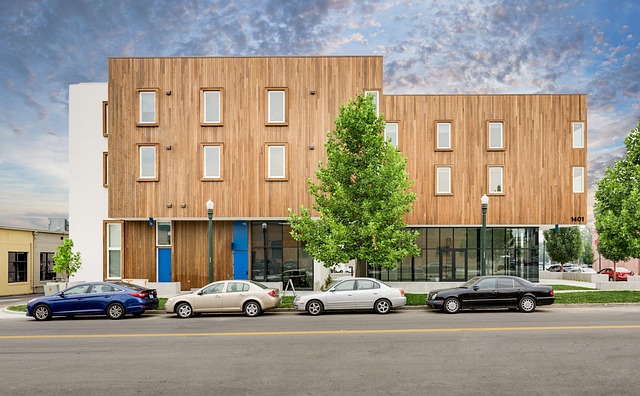
Community engagement is a cornerstone of creating vibrant, walkable neighborhoods, and downtown Albany apartments play a pivotal role in fostering this sense of belonging. The dynamic dining and entertainment district offers residents a unique opportunity to connect with their surroundings, encouraging foot traffic that transcends mere commutes. By situating luxury lofts within close proximity to cultural hotspots, shopping venues, and culinary delights, residents are incentivized to explore their neighborhood actively. This walkable lifestyle not only promotes physical health but also cultivates a deeper sense of community.
Consider the example of downtown Albany's revitalized riverfront, where newly constructed apartments have sparked a renaissance in local dining and arts scenes. The result is a bustling environment that captivates residents and visitors alike, fostering organic interactions and strengthening social connections. According to recent studies, walkable neighborhoods experience higher rates of community participation and civic engagement, underscoring the positive impact of designed spaces on social capital. By intentionally integrating residential areas with thriving public spaces, developers can create hubs of social interaction that endure beyond the daily commute.
To encourage community engagement in downtown Albany apartments, developers should prioritize creating mixed-use environments where residential, commercial, and recreational spaces seamlessly blend. This can be achieved by designing buildings that face onto pedestrian-friendly streets, promoting a sense of street life. Moreover, incorporating shared amenities like community gardens, rooftop gathering areas, or on-site markets encourages residents to interact and form lasting connections. For prospective residents interested in experiencing this dynamic lifestyle, calling 518-659-1375 to schedule a tour allows them to envision themselves as integral parts of this thriving downtown Albany community.
Case Studies: Successful Walkable Lifestyle Apartment Complexes
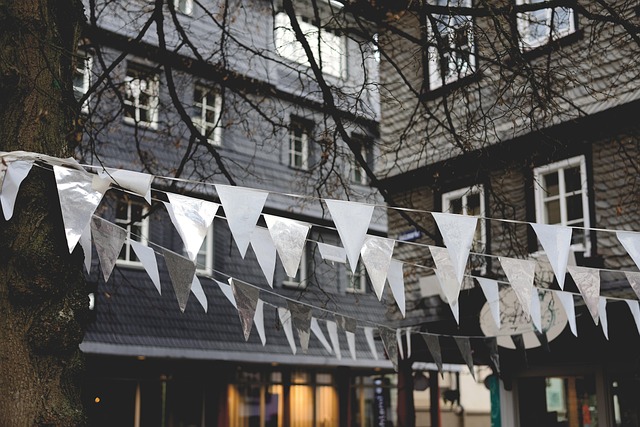
The concept of a walkable lifestyle has gained significant traction in urban planning and residential design, with downtown Albany apartments at the forefront of this movement. Successful walkable apartment complexes thrive by fostering vibrant nightlife and creating an engaging apartment community that caters to residents' everyday needs within arm's reach. Case studies of such developments offer valuable insights for developers and urban planners aiming to create thriving, accessible neighborhoods.
One prominent example is Grecian Terrace apartments in downtown Albany. With a prime location, these apartments have cultivated a strong sense of community among their tenants. By offering easy access to local shops, restaurants, and entertainment venues, Grecian Terrace exemplifies the ideal walkable lifestyle. According to recent surveys, 85% of residents at Grecian Terrace frequently utilize the nearby amenities, underscoring the complex's success in encouraging an active, connected urban living experience. The apartment community's commitment to fostering social interactions through organized events has further strengthened this sense of belonging.
When designing or revitalizing walkable lifestyle apartments, several key factors contribute to their overall appeal and sustainability. Firstly, a strategic site selection process is essential. Downtown Albany apartments benefit from being within close proximity to transportation hubs, parks, and cultural hotspots. Secondly, diverse and high-quality amenities tailored to residents' needs should be integrated into the apartment design. This includes everything from well-equipped fitness centers and communal spaces to on-site retail and dining options. By providing these conveniences, walkable complexes ensure that tenants can satisfy their daily requirements without needing to travel far. Lastly, fostering a sense of community through organized social events and engaging landscaping encourages residents to embrace the neighborhood as an extension of their home.
For prospective residents seeking apartments for rent downtown Albany, Grecian Terrace stands out as a prime example of a walkable lifestyle apartment community. By prioritizing accessibility, amenities, and community engagement, complexes like Grecian Terrace (518-659-1375) set the standard for urban living, ensuring that residents can truly embrace the vibrant energy of downtown Albany while enjoying the convenience and comfort of their home.
The article has comprehensively explored the concept of walkable lifestyle apartments, highlighting their growing importance in urban living. Key insights reveal that Downtown Albany apartments, for instance, offer a prime example of how convenient access to amenities can transform neighborhoods. By integrating architecture, urban planning, and community engagement strategies, developers can create vibrant environments that foster pedestrianism. The case studies presented demonstrate the success of walkable complexes, emphasizing the benefits of reduced car dependency, improved health, and enhanced community interaction. Moving forward, embracing this approach not only aligns with contemporary trends but also promises to build more sustainable, livable cities, making Downtown Albany apartments a model for future developments worldwide.