Downtown Albany Apartments: A Comprehensive Exploration
Introduction
Welcome to an in-depth exploration of a dynamic urban phenomenon—Downtown Albany apartments. This article aims to dissect the multifaceted world of these residential spaces, offering insights into their historical evolution, global impact, economic significance, and future prospects. By delving into each aspect, we will uncover the intricate web that connects architecture, community, and city development. As we navigate through this comprehensive guide, readers will gain a profound understanding of how Downtown Albany apartments shape urban landscapes and influence global trends.
Understanding Downtown Albany Apartments: A Definition and Historical Context
What are Downtown Albany Apartments?
Downtown Albany apartments refer to multi-residential properties located in the central business district (CBD) of Albany, a city known for its rich history and vibrant culture. These apartments are characterized by their urban setting, proximity to major commercial hubs, and often, innovative design elements that cater to modern living needs.
Historical Overview:
The concept of downtown apartments has evolved over centuries, reflecting the changing face of urban centers. In Albany's case, the historical context dates back to the 19th century when the city experienced rapid industrialization and population growth. Traditional housing models gave way to more dense and mixed-use developments as the CBD expanded. Over time, these apartments became a cornerstone of downtown Albany's identity, blending residential comfort with urban accessibility.
Core Components:
- Location: Typically situated within walking distance of major workplaces, entertainment districts, and public transportation hubs.
- Mix of Tenants: Attracts a diverse range of residents, including young professionals, students, and families seeking an urban lifestyle.
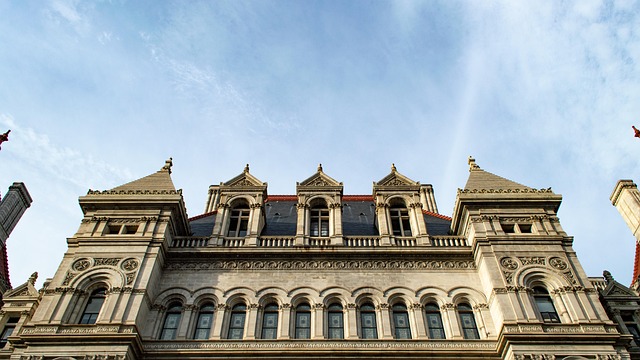
- Design and Architecture: Offers a mix of historic charm and modern amenities, with some buildings featuring iconic architectural styles.
- Community Engagement: Fosters a sense of community through shared spaces, events, and the proximity to local businesses.
Global Impact and Trends Shaping Downtown Albany Apartments
The phenomenon of downtown apartments has transcended geographical boundaries, sparking global interest and influencing urban planning worldwide. Several trends and international influences have shaped this evolving landscape:
- Urban Revitalization: Many cities around the globe are embracing the concept of revitalizing their CBDs, often focusing on mixed-use developments to create vibrant, 24/7 communities. This trend aligns closely with the principles behind downtown Albany apartments.
- Densification: With limited urban space, cities like Albany are adopting denser housing models to accommodate growing populations efficiently. This trend is evident in the vertical expansion of apartments and the optimization of land use.
- Sustainability Focus: Environmental consciousness has led to a global push for eco-friendly buildings. Downtown Albany apartments have embraced this through energy-efficient designs, green spaces, and sustainable materials, contributing to the city's overall environmental goals.
- Tech-Driven Innovation: Technological advancements in smart homes, building automation, and digital connectivity have enhanced the living experience. Many modern downtown apartments incorporate these features, attracting tech-savvy residents.
- Global Travel and Migration: International travel and migration patterns influence housing demands. Downtown Albany apartments cater to a diverse tenant pool, reflecting global trends in urban living and cultural exchange.
Economic Considerations: Market Dynamics and Investments
The economic landscape surrounding downtown Albany apartments is intricate and multifaceted, playing a pivotal role in the city's overall economic health.
- Market Dynamics: The demand for downtown apartments is driven by various factors, including:
- Young professionals seeking convenient living close to work.
- Students enrolled in nearby educational institutions.
- Families attracted to the urban lifestyle and access to amenities.
- Tourists and visitors looking for short-term stays.
- Investment Patterns: Downtown Albany's real estate market has witnessed significant investment over the years:
- Residential Development: New construction projects have contributed to an increase in apartment inventory, catering to diverse budgets.
- Renovation and Restoration: Historic buildings have undergone revitalizing transformations, appealing to tenants seeking unique living spaces.
- Mixed-Use Developments: Integrating residential apartments with commercial and retail spaces has attracted major investors and created vibrant hubs.
- Economic Impact: These apartments contribute to the local economy in several ways:
- Job Creation: Support services, maintenance, and management roles are generated within the apartment sector.
- Spillover Effect: Tenants spend money on local businesses, restaurants, and entertainment, boosting nearby economies.
- Tourism Boost: Well-designed apartments with attractive amenities can attract tourists, contributing to Albany's overall tourism revenue.
Technological Advancements: Smartening Up Downtown Living
Technology has played a pivotal role in transforming downtown Albany apartments into modern, efficient, and highly desirable living spaces. Key advancements include:
- Smart Home Automation: Residents can control lighting, temperature, and security through smartphone apps or voice commands. This enhances convenience and energy efficiency.
- High-Speed Internet and Connectivity: Fiber-optic connections ensure robust internet speeds, catering to the digital needs of residents, remote workers, and tech enthusiasts.
- Building Management Systems: These systems optimize energy use, monitor occupancy, and enable efficient maintenance scheduling, contributing to sustainable practices.
- Digital Access and Security: Biometric security systems, keyless entry, and digital access control enhance safety while providing a seamless experience for tenants.
- Online Rent Payment and Communication: Digital platforms facilitate easy rent payments, tenant-landlord communication, and online reporting of maintenance issues.
Policy and Regulation: Governing the Downtown Apartment Landscape
The development and management of downtown Albany apartments are subject to various policies and regulations, ensuring fair practices, safety, and sustainable growth.
- Zoning Laws: Local zoning ordinances dictate land use, building height, and density, shaping the physical layout of apartment developments.
- Building Codes: Strict codes ensure structural integrity, fire safety, and accessibility standards, protecting tenants and investors.
- Housing Regulations: These include fair housing practices, tenant rights, and landlord obligations, promoting equitable housing conditions.
- Environmental Policies: Albany's commitment to sustainability is reflected in green building guidelines, energy efficiency mandates, and waste management regulations.
- Licensing and Permitting: Developers and property managers must obtain permits for construction, renovation, and operational activities, ensuring compliance.
Challenges and Criticisms: Overcoming Barriers to Downtown Living
Despite its numerous benefits, the concept of downtown Albany apartments faces several challenges and criticisms that require careful consideration and strategic solutions.
- Affordability: One of the primary concerns is the rising cost of living in downtown areas, making it less accessible for low- and moderate-income residents. To address this, affordable housing initiatives, rent control measures, and incentives for developers can help strike a balance.
- Noise and Traffic: Urban density can lead to noise pollution and congestion. Implementing traffic management strategies, green infrastructure, and soundproofing solutions can mitigate these issues.
- Community Integration: Ensuring that new developments blend seamlessly with existing communities is essential. Engaging local residents in the planning process, creating mixed-income neighborhoods, and promoting community engagement initiatives foster a sense of belonging.
- Vast Leases and Tenant Rights: Long lease terms can be a burden for tenants, especially with changing life circumstances. Fair leasing practices, including flexible terms and robust tenant protection laws, are necessary.
- Maintenance and Aging Infrastructure: Older buildings require regular maintenance and updates. Effective property management strategies, historic preservation initiatives, and investment in infrastructure can ensure the longevity of downtown apartments.
Case Studies: Successful Applications and Lessons Learned
1. The Empire Lofts (New York, USA)
This iconic renovation project transformed an old industrial building into a vibrant apartment community. By preserving the structure's historical charm while incorporating modern amenities, it attracted a diverse range of tenants. The success lies in its ability to create a unique living experience, blend urban culture, and foster a strong sense of community.
Lessons:
- Preserving history can be a key selling point for downtown apartments.
- Offering a mix of living spaces caters to various tenant preferences.
- Community events and shared amenities enhance social connections.
2. The Riverfront Residences (Vancouver, Canada)
Located along the city's waterfront, these modern apartments combined sustainable design with stunning views. The development included dedicated green spaces, community gardens, and a focus on energy efficiency. It attracted professionals and families seeking an eco-friendly urban lifestyle.
Key Factors for Success:
- Integrating green spaces and natural elements improves tenant well-being and promotes environmental awareness.
- Sustainable design practices appeal to environmentally conscious residents.
- Waterfront locations offer unparalleled views and access to recreational amenities.
3. The CityLoft Project (London, UK)
A mixed-use development aimed at revitalizing a historic district, CityLoft combined residential apartments with retail and cultural spaces. It became a hub for artists, young professionals, and students, fostering a dynamic urban community.
Takeaways:
- Mixed-use developments create vibrant, 24/7 neighborhoods, catering to diverse needs.
- Collaborating with local artists and businesses can add cultural value to apartment communities.
- Revitalizing historic areas attracts investment and promotes cultural heritage.
Future Prospects: Emerging Trends and Strategic Considerations
The future of downtown Albany apartments looks promising, with several emerging trends shaping its evolution:
- Sustainable Smart Homes: As technology advances, smart homes will become even more energy efficient, with integrated renewable energy sources and advanced waste management systems.
- Micro-Apartments: Catering to a new generation of urban dwellers, micro-apartments offer compact living spaces optimized for modern lifestyles.
- Co-Living Spaces: Shared living arrangements gain popularity, particularly among millennials and Gen Z. These spaces foster community, collaboration, and cost-effectiveness.
- Age-Friendly Design: Incorporating universal design elements ensures that downtown apartments cater to the needs of all age groups, including seniors.
- Digital Integration: Further integration of IoT (Internet of Things) devices will enhance convenience, security, and connectivity within apartment ecosystems.
- Vertical Communities: With limited land, vertical development will continue to rise, creating high-density communities with shared amenities.
Conclusion: Shaping the Urban Landscape of Tomorrow
Downtown Albany apartments represent a dynamic fusion of architecture, community, and urban living. From their historical roots to global influences, these residential spaces have evolved to meet the changing needs of modern cities. As we look ahead, the future prospects for downtown apartments are promising, with technology, sustainability, and community engagement at the forefront.
By addressing challenges, embracing emerging trends, and implementing thoughtful policies, downtown Albany can continue to thrive as a vibrant, diverse, and resilient urban center. This comprehensive exploration highlights the significance of these apartments not just within Albany, but as a contributing factor to the global conversation on urban development and livability.
FAQ Section: Answering Common Queries
Q: Are downtown apartments affordable for low-income residents?
A: Affordability is a complex issue, but various initiatives, including government support, affordable housing programs, and incentives for developers, can help make downtown living more accessible to low- and moderate-income families.
Q: How do I find historic downtown apartments in Albany?
A: Research local real estate listings, reach out to specialized agents, or explore online platforms that cater to historic property searches. The Albany Historic Preservation Commission also provides valuable resources for locating and purchasing these unique properties.
Q: What are the environmental benefits of modern downtown apartment buildings?
A: Eco-friendly designs include energy-efficient systems, green spaces, renewable energy sources, and reduced water consumption. These features contribute to a lower carbon footprint and promote sustainable urban living.
Q: Can technology enhance community engagement in apartments?
A: Absolutely! Smart home technologies, digital communication platforms, and online communities can foster connections among tenants. Shared amenities, virtual events, and app-based services create opportunities for residents to interact and build a sense of belonging.
Q: How do I stay informed about upcoming developments in downtown Albany?
A: Local newspapers, real estate blogs, and community newsletters provide valuable insights. Additionally, attending city planning meetings and engaging with local developers can keep you updated on new projects and opportunities.